Luxury resorts are transforming workouts into immersive experiences by integrating local practices, landscapes, and traditions. Guests no longer settle for standard gyms; they seek activities that connect them to the destination. Resorts now offer programs like karate in Okinawa, sunrise flows on Malaysian beaches, and Fijian warrior dances. These curated activities combine movement with heritage, creating memorable and enriching stays.
Key Highlights:
- Local Practices: Karate lessons in Okinawa or Pilates inspired by Malay philosophies in Malaysia.
- Natural Settings: Workouts in Bali’s jungles or along Fiji’s beaches.
- Hands-On Experiences: Fijian warrior dances or Balinese yoga paired with cultural rituals.
- Personalized Programs: Tailored fitness plans, private sessions, and in-villa options.
This approach not only enhances the guest experience but also supports local experts and traditions, leaving travelers with skills and memories that last well beyond their stay.
How Resorts Bring Local Traditions Into Fitness Programs
Drawing From Local Wellness Practices
The best resort fitness programs don’t just rely on treadmills or yoga mats – they dig deeper, tapping into the region’s history and traditions. By researching local philosophies and movement practices, resorts create experiences that feel authentic and rooted in their surroundings. A big part of this process is finding the right people to lead these programs.
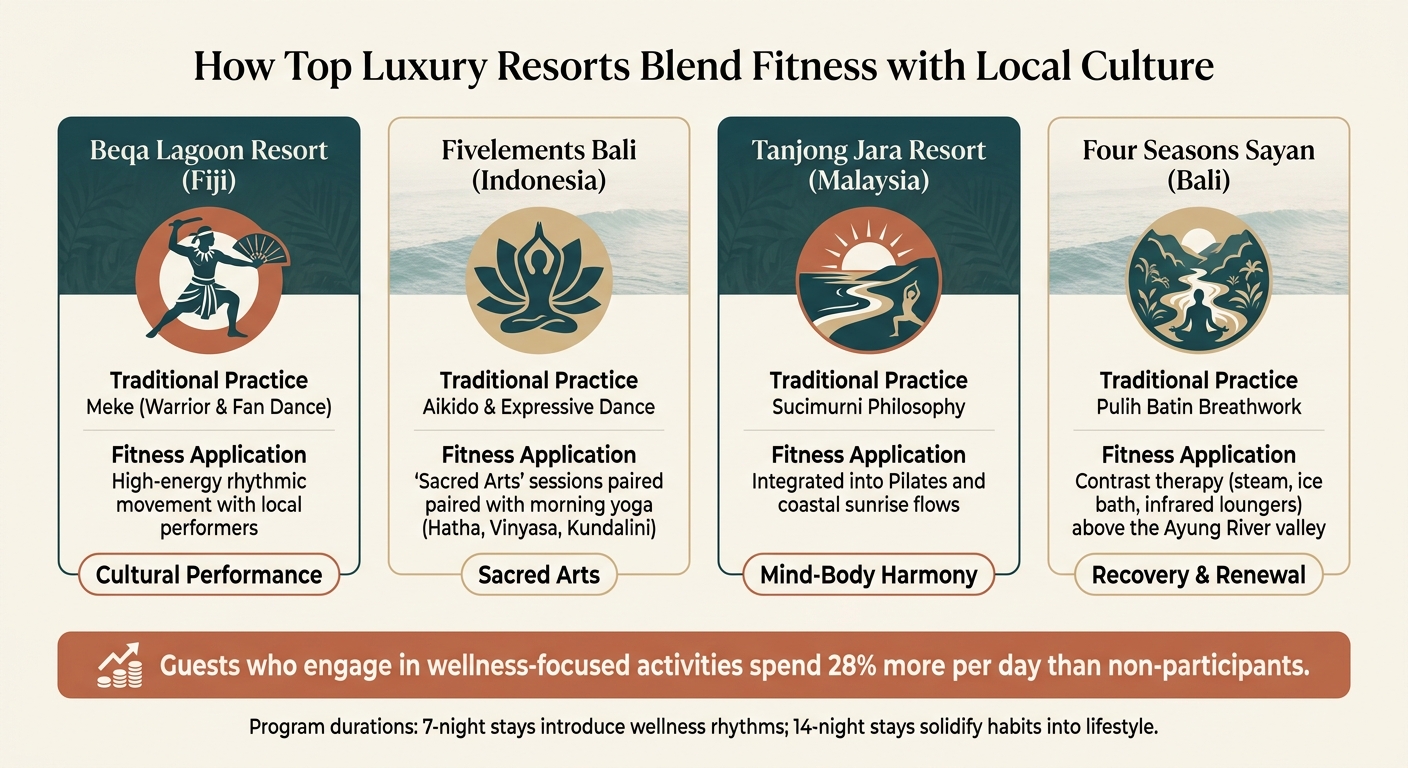
Instead of hiring generic fitness instructors, many resorts bring in local experts. Take Tanjong Jara Resort in Malaysia, for example. Their "Sucimurni Retreat" is inspired by the traditional Malay philosophy of Sucimurni, which emphasizes purity, health, and harmony. Health coach Joyce Shih leads this three-day program, blending the philosophy seamlessly into Pilates sessions. Guests not only get a workout but also a meaningful connection to the local culture.
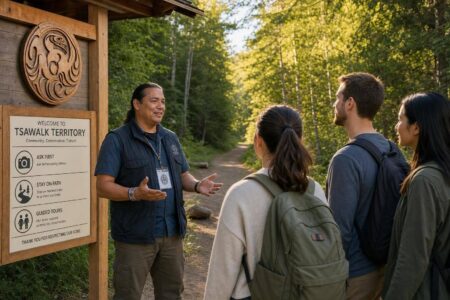
Resorts are also taking on the role of "Cultural Custodians", ensuring that local traditions are presented respectfully and not reduced to gimmicks. This commitment to authenticity helps preserve the integrity of these practices while offering guests something truly special.
Beyond traditions, many resorts use their natural surroundings to elevate the fitness experience.
Using Natural Landscapes as Fitness Spaces
Nature becomes part of the workout at many resorts. Instead of sticking to indoor gyms, they take advantage of beaches, jungles, river valleys, and coastlines. These natural spaces not only provide stunning backdrops but also enhance the overall wellness experience.
At Four Seasons Resort Bali at Sayan, the "Fitness Hub" sits above the Ayung River, offering breathtaking jungle views during workouts. The facility combines modern recovery tools with the "Pulih Batin" experience, which includes breathwork, steam and ice bath contrast therapy, and infrared zero-gravity loungers. Luisa Anderson, Regional Director of Spa for Four Seasons Asia Pacific, describes it as:
"The Fitness Hub is more than a place to work out – it’s an integral part of our guests’ holistic renewal. By combining mindful movement, advanced recovery, and the tranquillity of our river valley setting, we’ve created a wellness environment that supports body, mind, and spirit."
Similarly, Tanjong Jara Resort uses its stunning Terengganu coastline for "Beachfront Sunrise Flow" sessions, where guests enjoy morning stretches and movements tied to the area’s natural beauty and heritage.
Pairing Fitness With Local Arts and Movement Traditions
Some resorts go a step further by blending fitness with local performance arts, creating unforgettable experiences. At Beqa Lagoon Resort in Fiji, guests can participate in traditional Meke performances, led by local villagers. The Meke Wau (Warrior Dance) focuses on strength-based movements using traditional war clubs, while the Seasea (Fan Dance) emphasizes graceful, synchronized motions. Guests are invited to join in, turning a cultural performance into an active, hands-on workout.
Fivelements Bali takes a similar approach with its "Tri Kaya Parisudha" program. Guests start their mornings with yoga sessions in Hatha, Vinyasa, or Kundalini styles, followed by "Sacred Arts" classes that include Aikido and expressive dance. The program also features a "Rice Field Village Walk", allowing participants to connect their physical activity to Bali’s agricultural traditions.
| Resort | Traditional Practice | Fitness Application |
|---|---|---|
| Beqa Lagoon Resort (Fiji) | Meke (Warrior & Fan Dance) | High-energy rhythmic movement with local performers |
| Fivelements Bali (Indonesia) | Aikido & Expressive Dance | "Sacred Arts" sessions paired with morning yoga |
| Tanjong Jara Resort (Malaysia) | Sucimurni Philosophy | Integrated into Pilates and coastal sunrise flows |
| Four Seasons Sayan (Bali) | "Pulih Batin" Breathwork | Contrast therapy above the Ayung River valley |
sbb-itb-161ccc1
Designing Multi-Day Wellness Itineraries Around Local Culture
How Top Luxury Resorts Blend Fitness with Local Culture
How to Structure a Multi-Day Fitness Program
Creating a multi-day wellness itinerary requires a thoughtful blend of structure and cultural connection. Aleenta focuses its programs on what it calls the "Five Companions of Health" – Move, Rest, Detox, Enrich, and Guidance. These pillars serve as the foundation for establishing new, sustainable wellness rhythms. The programs balance physical activities like Muay Thai and Tai Chi with restorative practices such as floatation therapy and nervous system regulation, turning fitness into a lifestyle rather than a temporary fix.
"Isolated interventions do not define lived longevity. It is built through consistency." – Ayurah Wellness
The duration of these programs is another key factor. Aleenta suggests that a 7-night stay introduces the rhythm, while a 14-night stay allows those behaviors to solidify into habits. For example, Halekulani Okinawa’s six-night Blue Zones retreat – priced at approximately $5,194 per person – seamlessly integrates movement and tradition, reflecting the region’s long-standing reputation for promoting longevity.
Once a foundation of balanced movement is established, local spa rituals and culinary traditions can be woven in to round out our wellness services.
Adding Spa and Food Traditions to the Fitness Experience
The most effective wellness retreats go beyond exercise by incorporating local spa rituals and food traditions, creating a richer cultural experience. For instance, Fivelements Bali combines morning yoga with Watsu water healing and fire or water blessing ceremonies, all rooted in the Balinese philosophy of Tri Kaya Parisudha. At Mayakoba in Mexico, guests engage in activities like hydro-biking through mangrove canals and kayaking, capped off with a temazcal ceremony led by a shaman. A cool sea dip follows, offering a refreshing physiological reset. These contrasting rituals of heat and cold serve both as symbolic and physical recovery tools.
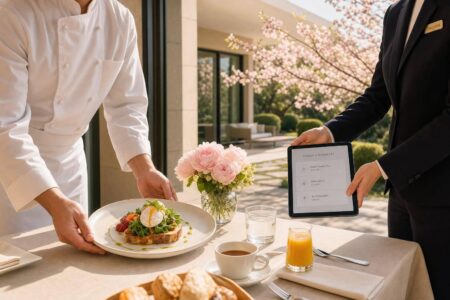
Local cuisine further enhances the wellness journey. Halekulani Okinawa features Onigiri Bento workshops that highlight Blue Zones-inspired eating habits tied to the region’s longevity. Meanwhile, Keemala in Phuket connects its "Four Clans" cultural narrative to the dining experience, offering market visits and traditional cooking classes. These activities ensure that the food guests enjoy reflects the philosophy of their wellness practices. When the meals align with the day’s movements and rituals, the entire experience becomes a deeply immersive cultural journey.
Personalizing Fitness Experiences for Luxury Guests
Private and In-Villa Fitness Sessions
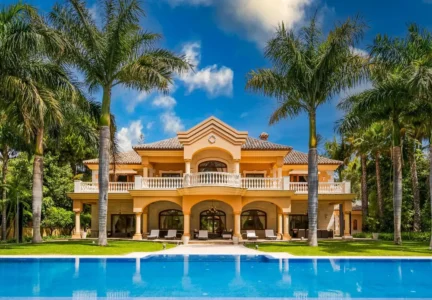
Today’s luxury travelers are looking for fitness experiences tailored just for them. Resorts like COMO Shambhala Estate in Bali take this seriously, using pre-arrival health questionnaires to craft personalized fitness itineraries. Guests even have dedicated assistants who fine-tune these plans as needed. For example, the resort’s "Wanakasa" residence includes a private infinity pool, offering an exclusive and tranquil space for exercise.
"Modern technology may offer instant results, but meditation requires consistent practice." – Dr. Prasanth Vayanakathu, Ayurvedic Consultant, COMO Shambhala Estate
These one-on-one sessions often include elements of local traditions, adding an extra layer of connection to the destination’s culture. This attention to detail aligns perfectly with broader concierge services, which ensure every aspect of a guest’s stay supports their wellness journey.
At Halekulani Okinawa, the "Discover the Island’s Mabui (Soul)" program offers another example of this personalized approach. Guests receive custom gi gear and private lessons with Karate master Ippei Yagi, who practices Goju-ryu, a martial art with a history spanning over 700 years. These sessions teach foundational movements and breathing techniques, giving guests skills they can take home and continue practicing.
"Karate here is not a performance for visitors but a living tradition." – Resident Staff, Resident Magazine
How Concierge Services Support Fitness and Wellness Plans
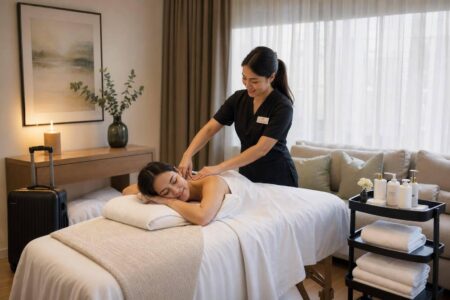
Concierge teams play a key role in taking these bespoke experiences to the next level. Beyond arranging in-villa fitness sessions, they coordinate a variety of activities – everything from guided runs and temple hikes to off-property wellness excursions. This seamless planning not only adds convenience but also deepens the cultural immersion by tying each activity to the destination’s unique identity.
For private villa stays, companies like Essentialyfe offer similar services. They organize in-home fitness sessions, transportation to wellness sites, and extras like in-home massages or private chefs who create meals tailored to guests’ nutritional needs. Interestingly, data reveals that guests who engage in wellness-focused activities spend 28% more per day compared to those who don’t participate in structured programs. This underscores how personalization isn’t just a nice touch – it’s an essential part of the luxury experience.
Conclusion: Why Connecting Fitness to Local Culture Matters
By blending wellness programs with local traditions, resorts create experiences that leave a lasting impact on their guests. These aren’t just fleeting moments of relaxation – they’re opportunities to gain practical skills like breathing techniques, movement practices, and a deeper appreciation for the local culture.
What makes this approach special is how it extends beyond the trip itself. Guests take home habits and practices that become part of their daily lives, whether it’s a meditation technique inspired by Balinese rituals or movement exercises rooted in Okinawan traditions. Resorts that weave authentic local elements into their programs not only enrich the guest experience but also play a role in preserving regional heritage. They support local experts, artisans, and farmers, ensuring these traditions thrive while fostering a genuine connection between the traveler and the destination.
The rise of “skillcations” – trips focused on learning hands-on, tradition-based skills – shows how travelers are redefining what makes an experience meaningful. Today, luxury isn’t just about comfort; it’s about engaging deeply with a place. Resorts that embrace this shift are creating experiences that guests carry with them long after their stay.
FAQs
How do resorts make cultural workouts feel authentic, not touristy?
Resorts make sure that cultural workouts feel genuine by working closely with local experts – like shamans or skilled practitioners – to guide these traditions while maintaining their authenticity. These programs are deeply tied to local history or folklore, providing guests with meaningful context and a richer experience. Visitors can actively engage in activities such as meditation or traditional exercises, helping them build a personal connection and even learn new skills. By focusing on respecting cultural heritage rather than chasing fleeting trends, these experiences stay true to their roots rather than becoming shallow performances.
Do I need fitness experience to join these local movement classes?
No, prior fitness experience is typically not necessary. Wellness resorts often create their movement classes with beginners in mind, focusing on techniques that prioritize balance, mindfulness, and correct form. Skilled instructors lead these sessions, making it easy for anyone to participate in activities like Okinawan karate or restorative Pilates. These classes are designed to help you connect with local traditions while feeling comfortable and supported, no matter your experience level.
Can I keep practicing these traditions after I return home?
Many fitness and wellness routines inspired by luxury resorts are designed to fit seamlessly into your daily life at home. These practices often include straightforward techniques like basic karate stances or mindful breathing exercises, making them easy to adopt. By weaving these habits into your routine, you can not only stay physically active but also carry a touch of the resort’s local essence into your wellness journey.