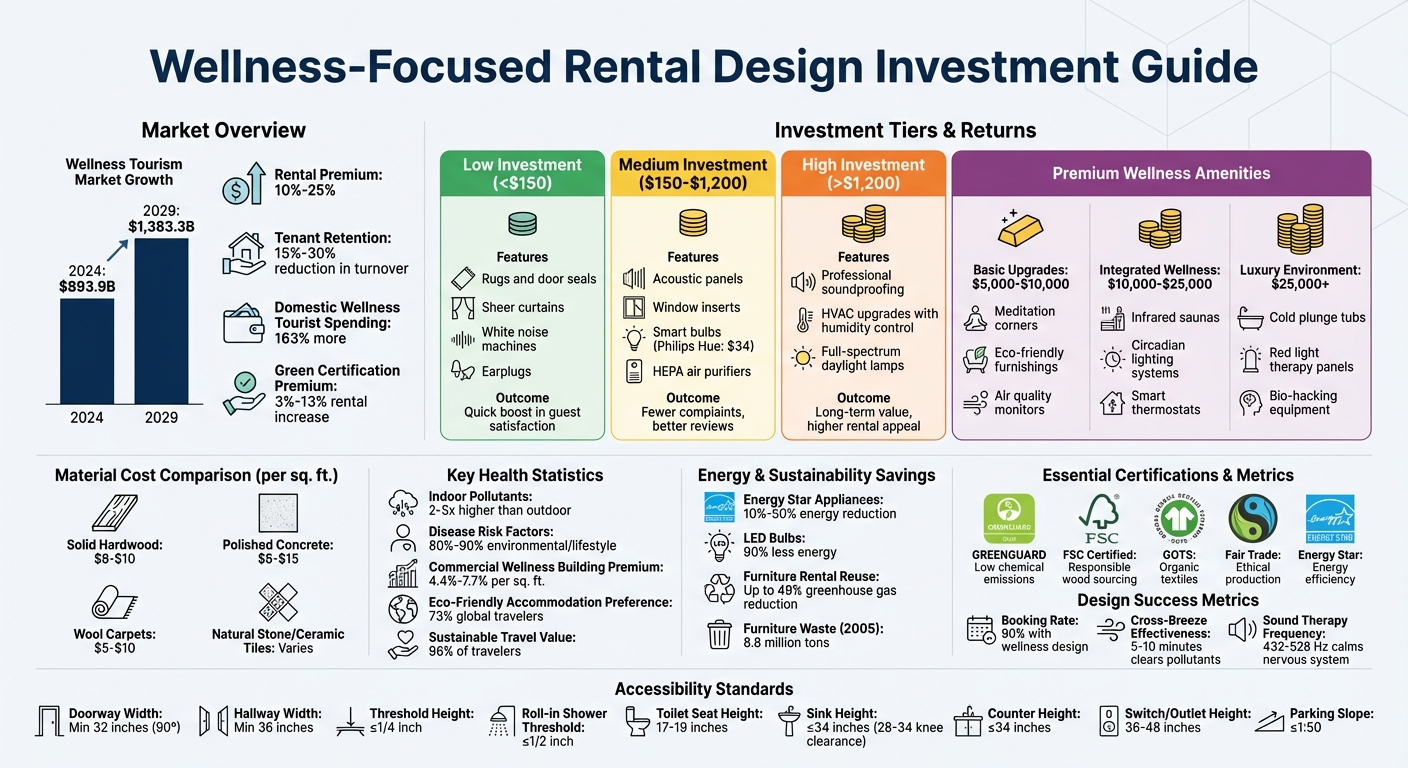
Wellness-focused rentals are a growing trend, driven by travelers seeking relaxation and health-oriented experiences. With the wellness tourism market expected to grow from $893.9 billion in 2024 to $1,383.3 billion by 2029, property owners can capitalize on this demand by creating spaces that prioritize guest well-being. Here’s a quick breakdown of how to design rentals that stand out:
- Natural Light & Ventilation: Use large windows, sheer curtains, and effective ventilation to improve sleep, mood, and air quality.
- Noise Reduction: Incorporate rugs, acoustic panels, and soundproofing for a quieter stay.
- Calm Interiors: Opt for soft colors, natural materials, and clutter-free layouts to create a relaxing atmosphere.
- Materials & Furnishings: Choose non-toxic, eco-friendly materials like hardwood or zero-VOC paints, and ergonomic furniture for comfort.
- Wellness Amenities: Add features like saunas, meditation spaces, or smart tech for air quality and lighting control.
- Accessibility: Ensure spaces are barrier-free with wide doorways, roll-in showers, and adjustable features for all guests.
- Location Matters: Properties near nature, spas, or quiet areas with low light and noise pollution attract wellness-focused travelers.
These upgrades not only enhance guest satisfaction but also increase rental income, with wellness properties commanding 10%-25% higher premiums. Start small with standout features like a meditation corner or eco-friendly furnishings, and build from there to meet evolving trends like biophilic design and smart wellness tools.
Wellness Rental Design Investment Guide: Features, Costs, and Benefits
Sustainable Design for Short-Term Rentals with Stacey Olson
sbb-itb-161ccc1
Designing Spaces for Guest Wellbeing
The physical setup of a rental property plays a big role in shaping how guests feel during their stay. Natural light helps regulate sleep cycles, proper ventilation keeps indoor air healthy, and smart noise control can lower stress levels. These aren’t just small perks – they’re proven ways to improve wellness and can even reduce tenant turnover by 15% to 30%. Let’s break it down into three key areas: natural lighting, sound control, and interior layout.
Maximizing Natural Light and Ventilation
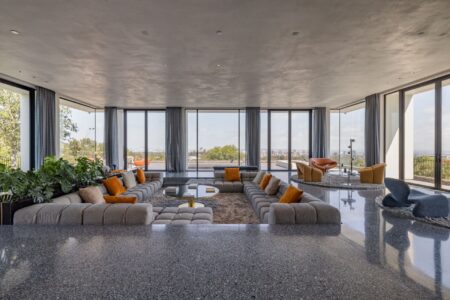
Natural light is essential for maintaining energy, mood, and sleep quality. To optimize this, place large windows near work or seating areas to boost productivity. Lightweight sheer curtains work well to soften harsh light during the day while keeping spaces bright, and slim blackout panels are great for ensuring restful sleep at night.
"Designing spaces that allow light to penetrate deeply into living areas is a simple but powerful health intervention." – Dr. Qiao Yufei, MD, Family Physician, Mediway Medical
Ventilation is just as important. A simple 5–10 minute cross-breeze can clear out indoor pollutants effectively. Open windows daily for fresh air and consider upgrading HVAC systems with humidity control for added comfort. HEPA air purifiers and affordable CO2 sensors can help maintain air quality between guest stays. For overcast days, portable full-spectrum daylight lamps are a great way to keep spaces feeling bright and inviting.
The Glen Ivy Hot Springs Resort in Temescal Valley, California, is a standout example. As of April 2026, this wellness-focused community features large roof overhangs, trellises for dynamic light and shadow effects, and expansive glass facades that connect indoor and outdoor spaces. Impressively, about 39.5% of the development (32.2 acres) is dedicated to outdoor spaces, promoting natural air circulation.
Reducing Noise with Soundproofing
A quiet environment is crucial for reducing stress and improving sleep. Chronic noise can elevate stress hormones and make it harder to relax. Start with simple fixes like adding rugs, fabric wall hangings, or bookcases to absorb sound. Moving noisy appliances away from bedrooms or workspaces and placing bookcases against shared walls can also help.
For more structural solutions, acoustic panels near shared walls and soundproof door seals can make a big difference. If permanent changes aren’t an option, consider acoustic window inserts, which are effective and reversible. White-noise or pink-noise machines can mask outdoor sounds, and AI-powered noise-masking apps let guests customize their sound environment.
| Investment Level | Soundproofing Features | Expected Outcome |
|---|---|---|
| Low (<$150) | Rugs, door seals, earplugs | Quick boost in guest satisfaction |
| Medium ($150–$1,200) | Acoustic panels, window inserts | Fewer complaints and better reviews |
| High (>$1,200) | Professional retrofitting | Long-term value and higher rental appeal |
Creating Calm Interiors and Layouts
Visual clutter can create subtle stress by making the brain feel overwhelmed. Instead of dividing spaces with permanent walls, use rugs, layered lighting, and carefully placed furniture to define areas for sleeping, working, and socializing. This approach reduces decision fatigue and helps guests feel more at ease.
"Wellness-driven design focuses on balance – using natural textures, softer tones, and layouts that feel open but grounded." – Martyn Strydom, CEO, MeAgain
For bedrooms, cool blues and greens work well for creating a calming atmosphere. Pair these with warm neutral-colored bedding for a cozy, inviting feel. Layering materials like linen, cotton, and smooth wood adds a tactile element that can help guests feel grounded. Smart bulbs, such as the Philips Hue ($34 for a white ambiance starter kit), allow guests to adjust lighting to their mood throughout the day.
Even small apartments designed with these principles have seen 90% booking rates, even in areas without major tourist attractions. Create a "sanctuary spot" with a comfy chair, a warm lamp, and a few meaningful objects to give guests a place to unwind. Positioning beds against corner walls instead of floating them in the center can also provide a sense of security. These thoughtful touches contribute to a deeply relaxing stay and higher guest satisfaction overall.
Selecting Wellness-Oriented Materials and Furnishings
Once you’ve optimized your rental’s layout for wellness, the next step is choosing materials that actively support health. The materials and furniture you pick can directly influence your guests’ well-being. Did you know that indoor pollutant levels can be 2 to 5 times higher than outdoor levels?. This makes your material choices incredibly important. Plus, properties designed with health in mind can fetch rental premiums of 7% to 20% over typical rentals. Prioritizing non-toxic and durable materials not only benefits your guests but also adds long-term value to your property.
Choosing Eco-Friendly and Non-Toxic Materials
Start with flooring – it sets the tone for a healthy space. Solid hardwood ($8–$10 per sq. ft. including installation), polished concrete ($8–$15 per sq. ft.), and natural stone or ceramic tiles are excellent non-toxic options. If you opt for hardwood, choose nail-down installation to avoid harmful off-gassing. For ceramic or porcelain tiles, always request lead test results from the manufacturer. Many tiles sold in major stores have been found to contain lead in their glaze.
"Properties designed with health and wellbeing as primary considerations command premium rents, achieve faster lease-up times, and demonstrate superior long-term value retention." – Matt Morley, Wellness Design Consultant
When it comes to walls and finishes, zero-VOC or low-VOC paints with GREENGUARD Gold certification help prevent respiratory and health issues caused by chemical emissions. For wood finishes, natural oils like Tung or Linseed oil are safer alternatives. Avoid materials like MDF or PVC for baseboards, as they release harmful chemicals. Instead, opt for solid wood baseboards. For flooring alternatives, consider natural linoleum (like Marmoleum) instead of vinyl, which contains toxic plasticizers.
Certifications can guide you toward healthier choices. Look for FSC-certified wood to ensure responsible sourcing, and GREENGUARD Gold for products with low chemical emissions. Fair Trade certification assures ethical production practices for textiles and furniture. To dig deeper, Health Product Declarations (HPDs) provide detailed ingredient lists and their health impacts.
Selecting Comfortable and Durable Furnishings
Material safety is just one piece of the puzzle – furniture should also be comfortable and built to last. Ergonomic designs, like height-adjustable desks and supportive seating, promote physical health, especially for longer stays. For items like bed frames, dining tables, and shelves, consider FSC-certified wood or reclaimed materials. These choices not only reduce environmental impact but also offer durability.
For upholstery and textiles, natural fibers like organic cotton, wool, and linen (GOTS certified) are excellent options. They’re breathable, hypoallergenic, and free from harmful pesticides. For cushions and mattresses, natural latex is a healthier alternative to synthetic foams. Wool carpets ($5–$10 per sq. ft.) can help reduce allergens when paired with a HEPA vacuum, but make sure any mothproofing treatments are non-toxic.
"All of the purchases that we make have the opportunity to reduce carbon emissions, no matter how small." – Chris Hellstern, Architect and Living Building Challenge Services Director
If you’re looking for stain-resistant textiles, avoid harsh chemicals by seeking PFAS-free options. Some synthetic PET polyester carpets, like Home Fresh, are 0-VOC and free from toxic treatments. For appliances, Energy Star-rated models can cut energy use by 10% to 50%, while LED bulbs consume up to 90% less energy than incandescent ones. These features resonate with the 73% of global hotel visitors who prefer eco-friendly accommodations and the 96% of travelers who value sustainable travel.
To further reduce waste, consider renting furniture or buying secondhand from brands like Kaiyo. Rental furniture can be reused up to six times, cutting greenhouse gas emissions by as much as 49% compared to buying new. This approach supports a circular economy, addressing the staggering 8.8 million tons of furniture waste generated in 2005 alone. For custom, chemical-free upholstery, brands like EcoBalanza provide excellent options, while Avocado Green Mattress offers certified organic bedding.
Adding Wellness Amenities and Features
Turn your rental into a wellness haven by adding amenities that promote relaxation and self-care. In upscale residential markets, wellness spaces are increasingly seen as desirable upgrades that set properties apart from the competition. The investment can vary: basic upgrades might cost between $5,000 and $10,000, integrated wellness retreats can range from $10,000 to $25,000, and creating a full luxury environment starts at $25,000 and up. A good place to start is by incorporating spa-inspired features that immediately convey a sense of tranquility.
Installing Spa-Quality Amenities and Facilities
Saunas are a standout feature in wellness-focused properties. Infrared saunas are great for indoor use since they heat up quickly and operate at lower temperatures, while traditional saunas offer higher heat and steam but require more complex installation due to ventilation and electrical needs. Pairing heat with cold therapy, such as a cold plunge, can amplify health benefits like improved circulation, faster muscle recovery, and enhanced mental clarity. For a cold plunge, you can invest in tubs with built-in chillers for consistent temperatures, or use a standard soaking tub with ice as a more budget-friendly option.
"Creating a wellness retreat at home means more than just designing a beautiful space, it’s about truly disconnecting from external stimulation to reconnect with yourself." – Anna Pierzak, Spa Director, Royal Champagne Hotel & Spa
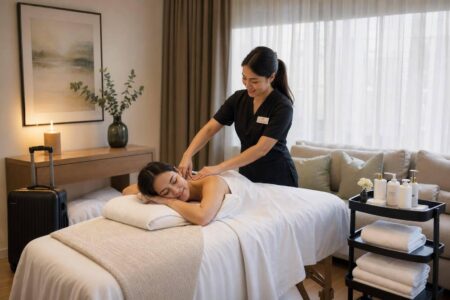
Consider adding advanced recovery tools like massage chairs, vibration platforms, or massage guns. Hydrotherapy options, such as soaking tubs, immersion showers, or shower heads with essential oil cartridges, can provide an aromatherapy boost. To create a truly inviting atmosphere, include thoughtful touches like a sculptural side table or a tray displaying bath salts, candles, and essential oils. Before installing heavy items like a hot tub or sauna, confirm that your flooring can handle the weight and that your electrical and ventilation systems are equipped to support these features. These additions not only enhance the wellness experience but also increase the rental’s appeal and potential rental income.
Creating Fitness and Meditation Spaces
You don’t need a large area to create a calming wellness space – what matters is that it feels intentional and serene. Find a quiet spot with good natural light and ventilation. Use privacy screens and multi-functional furniture, like storage ottomans, to keep the space tidy and flexible for yoga, meditation, or light exercise.
Sensory details can make all the difference. Install dimmable lighting to let guests set the mood and provide essential oils – rosemary for an energizing start to the day or lavender for winding down at night. Add portable speakers or sound machines to play nature sounds or calming frequencies. For example, sound frequencies between 432 and 528 hertz are known to help calm the nervous system.
"A meditation corner doesn’t need to be large; what matters most is that it feels personal, peaceful, and inviting." – Traci Ainge, Director of Spa and Wellness at Mila Moursi Spa
Start small with items like a soft cushion, a wellness book, or a diffuser, and let the space grow over time. Providing access to guided meditation apps or relaxing audiobooks can help guests unfamiliar with mindfulness practices feel more at ease. Once the basics are in place, smart technology can take the space to the next level.
Integrating Smart Technology for Wellness
Smart technology can enhance the wellness experience by automating comfort and tracking health metrics. Air quality monitors paired with HEPA and activated carbon filters ensure clean, fresh air, while circadian lighting systems mimic natural sunlight to support better sleep and mood. Smart thermostats allow guests to fine-tune their environment for maximum comfort.
"The more your lighting echoes natural sunlight and its positioning, the gentler it is on your nervous system." – Veronica Schreibeis Smith, Founder and CEO, Vera Iconica
For fitness enthusiasts, smart fitness equipment with virtual coaching capabilities offers personalized workouts. Bio-hacking tools like red light therapy panels or cryotherapy units cater to guests who prioritize longevity and recovery. Automated aromatherapy diffusers and sound therapy devices can further help guests relax and recharge. These tech features tie together the wellness elements – from spa-like amenities to meditation spaces – creating a cohesive, guest-friendly retreat.
"The key is letting technology support your wellness goals – not distract from them." – Penny Kriel, Corporate Director of Spa & Wellness at Salamander Collection
Designing for Accessibility and Inclusivity
Making accessibility a core part of wellness design ensures that every guest can enjoy a smooth and restorative experience. A truly inclusive space accommodates everyone – from wheelchair users and families with strollers to seniors and those recovering from injuries. The key is to incorporate thoughtful, barrier-free features that blend seamlessly with your overall design aesthetic.
Applying Universal Design Principles
To create a space that works for everyone, start with the basics:
- Ensure doorways are at least 32 inches wide when opened at a 90° angle, and hallways are a minimum of 36 inches wide to allow easy navigation for wheelchairs and walkers.
- Opt for lever-style door handles instead of traditional round knobs, as they’re easier to use for people with limited hand strength.
- Maintain smooth floor transitions, keeping thresholds at 1/4 inch or less. If thresholds are higher, make sure they have a beveled edge to reduce tripping hazards.
In the bathroom:
- Install roll-in showers with thresholds no higher than 1/2 inch.
- Include both horizontal and vertical grab bars near toilets and inside showers.
- Position toilet seats between 17 and 19 inches from the floor.
- Ensure sink rims are no more than 34 inches high, with 28–34 inches of knee clearance underneath.
In the kitchen:
- Provide countertop sections at a maximum height of 34 inches.
- Use side-opening ovens with controls that are reachable from a seated position.
Place light switches, outlets, and thermostats between 36 and 48 inches above the floor for easy access.
Don’t forget the exterior. Accessible parking spaces should have a slope no steeper than 1:50 and include clear signage with the "International Symbol of Accessibility." Pathways should be stable, slip-resistant, and at least 36 inches wide. Adding slip-resistant coatings in high-traffic areas like kitchens and bathrooms can further reduce fall risks. For guests with hearing impairments, combine audible alarms with visual strobing alerts to enhance safety.
These foundational elements provide a solid starting point for creating an inclusive space.
Providing Amenities for All Ages
A well-designed, multi-generational space ensures comfort and care for guests of all ages and mobility levels. Open floor plans not only create a modern aesthetic but also improve maneuverability for mobility devices. Recessed, glare-free lighting enhances visibility while maintaining a sleek look.
Incorporate features like pull-out shelves and adjustable closet shelving to make storage accessible for everyone. In shared spaces, offer seating options with armrests and a variety of seat heights to accommodate different needs. For properties with pools, consider adding zero-entry access or transfer benches to make the water enjoyable for all guests.
Finally, use high-contrast color schemes and clear sans-serif fonts for signage to ensure readability for guests with visual impairments. These thoughtful details help create an environment where every guest feels welcomed and cared for.
Choosing Locations That Support Wellness
Picking the right location is just as important as thoughtful interior design when it comes to creating a complete wellness experience. Where your property is located plays a major role in its wellness appeal. Studies reveal that 80% to 90% of disease risks, health outcomes, and even lifespan are shaped by environmental and lifestyle factors, not genetics. A well-chosen neighborhood not only boosts the visual appeal of your property but also helps guests relax and recharge.
Properties that focus on wellness tend to have higher value. Wellness-focused rentals can command premiums of 10% to 25% compared to traditional options, while commercial wellness buildings see rental premiums ranging from 4.4% to 7.7% per square foot. This data highlights how crucial it is to select a location that naturally supports a healthy way of living.
Locating Near Wellness Attractions
Positioning your property near wellness-focused attractions can make all the difference. Destinations like spas, hot springs, wellness resorts, or expansive nature trails give guests easy access to activities that align with their health and relaxation goals.
Take inspiration from established wellness-focused developments. For example, resorts designed around natural springs or conservation areas can significantly enhance the guest experience.
When scouting for locations, tools like satellite maps can help you identify nearby organic farms, community gardens, or natural features. Always verify walking distances to these attractions instead of relying on vague descriptions like "close to nature." Look for properties with natural elements like mature trees, water features, or rock formations, as these can enhance landscaping and create a more authentic wellness environment. Thoughtful landscaping can also regulate temperature, improve airflow, and reduce outside noise.
Beyond natural beauty, a peaceful and quiet neighborhood is essential for guests seeking a truly restorative stay.
Prioritizing Safe and Quiet Environments
Noise pollution can ruin even the most promising retreat. To ensure a tranquil atmosphere, avoid properties near busy roads, airports, industrial areas, or nightlife hubs. Indoors, stay mindful of room placement – avoid spaces near elevators or kitchens, where mechanical noise might disturb guests’ rest.
Consider this example: In early 2026, a guest named Anna booked a 3-night sleep-focused retreat in Whitefish, Montana. The property’s proximity to nature trails and its "no-phone" guided morning walks caught her attention. By her second night, she was sleeping more deeply, thanks to a quiet environment, soundproofed rooms, a sleep coach, and sunrise forest bathing. Similarly, Mark, another traveler, chose a lodge in the Drakensberg region for its licensed guides and curated trail options, which provided a safe and structured way to explore the rugged terrain.
"The best relaxation stays are quiet where it matters, staffed by qualified people, and built around nature – not just branded amenities." – relaxing.space senior editor
Low light pollution is another factor to prioritize, as it supports healthy circadian rhythms. Be sure to check the air and water quality in the area, and look for locations with minimal elevation differences to encourage walkability. While secluded spots can offer peace, they should still be accessible and well-connected for travelers. Adding green spaces, protected areas, and scenic walking paths can further elevate the wellness experience.
Conclusion
Creating a wellness-focused rental involves thoughtful decisions, from using eco-conscious materials to incorporating natural light, smart technology, and choosing a tranquil location. These choices not only enhance guest wellbeing but can also lead to higher earnings. For example, domestic wellness tourists spend 163% more, and properties with green certifications can see rental premiums ranging from 3% to 13%.
The market is shifting, with generic rentals losing ground to those offering curated, intentional experiences. With the global wellness tourism market expected to hit $1,383.3 billion by 2029, property owners who focus on guest wellbeing are setting themselves up for lasting success.
For smaller rentals, it’s better to focus on a few standout wellness features rather than spreading efforts thin. A luxury infrared sauna or a professionally designed meditation area can make a stronger impression than multiple average amenities. Highlight these unique features in your house rules, and design photo-worthy spaces that encourage guests to share their rejuvenating experiences.
Looking ahead, wellness design trends continue to evolve. Concepts like neuroscience-informed design, AI-driven personalization, and biophilic elements are becoming standard expectations. By staying updated on these trends, investing in upgrades like smart home technology, and consulting experts for more complex sensory designs, you can ensure your property stays competitive in this growing market.
FAQs
Which wellness upgrades deliver the fastest ROI?
Adding in-unit washer/dryers and steam showers are two wellness upgrades that can quickly pay for themselves. These features often recover their costs within just 5 to 12 months by increasing rental value. Renters are drawn to the convenience of in-unit laundry and the relaxation benefits of steam showers, making these upgrades a savvy choice for property owners looking to enhance their offerings.
How can I improve air quality without a full HVAC replacement?
To improve indoor air quality without overhauling your HVAC system, consider these practical tips:
- Invest in quality air purifiers: These devices help reduce pollutants, allergens, and odors, making the air cleaner and healthier.
- Increase ventilation: Open windows or use exhaust fans to bring in fresh air and keep it circulating throughout your space.
- Keep your system clean: Regularly clean and maintain filters, vents, and other components of your current HVAC system to ensure it operates efficiently.
These straightforward steps can make a noticeable difference in air quality without requiring a costly system replacement.
What are the must-have wellness accessibility features?
When designing rental properties with wellness in mind, certain features can make a big difference in creating a peaceful and inviting space. Here are some key elements to consider:
- Ample natural light: Sunlight not only brightens up a space but also boosts mood and helps regulate sleep cycles. Large windows or skylights can work wonders here.
- Effective noise control: Quiet spaces are essential for relaxation. Features like soundproof windows, rugs, and acoustic panels can help minimize unwanted noise.
- Clearly defined activity zones: Separating areas for work, relaxation, and play helps guests feel more organized and at ease.
- Biophilic touches: Adding greenery, like potted plants or small indoor gardens, can bring a sense of calm and connection to nature.
For an even more soothing environment, consider sensory-friendly lighting and acoustic adjustments. These can make spaces feel more relaxing and support mental well-being, ensuring guests leave feeling refreshed.