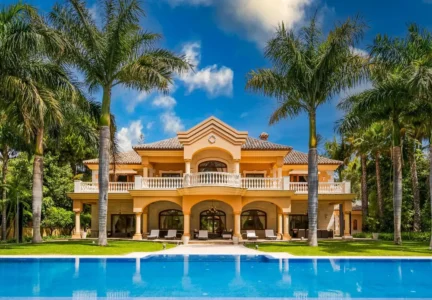
Planning a high-end event starts with selecting the right venue. The venue sets the tone, enhances the experience, and ensures smooth operations. Here’s a quick breakdown:
- Match the Atmosphere to Your Theme: Choose a venue that complements your event’s style – modern, historic, or scenic.
- Consider Amenities and Services: Look for advanced technology, flexible layouts, and personalized support.
- Plan for Practical Needs: Budget, guest count, accessibility, and privacy are critical.
Key Steps:
- Define your event’s purpose, audience, and theme.
- Evaluate venue options based on location, capacity, and features.
- Visit venues to assess layout, services, and policies.
- Negotiate contracts and secure the booking early.
- Align venue features with your design and guest experience.
The right venue doesn’t just host your event – it becomes part of the experience. Keep reading for a detailed step-by-step guide.
Defining Your Event’s Vision and Venue Needs
Identifying Event Goals and Audience
Before you start looking for a venue, you need to clearly define the purpose of your event and understand who will be attending. Are you planning a corporate gala, a charity fundraiser, or a small private gathering? Each type will require specific venue features and amenities.
Think about accessibility and how your guests will experience the event. For example, if you’re hosting senior executives, you’ll want a location close to luxury hotels and major transportation hubs to ensure convenience.
Setting Budget and Guest Count
Once you’ve nailed down your event’s purpose and audience, it’s time to set a budget. Remember to include more than just the rental fee. Consider:
- Setup and breakdown costs
- Security deposits
- Insurance
- Additional service fees
- Overtime charges
Accurate guest numbers are just as important. Avoid relying on rough estimates – create detailed projections. Here’s what to keep in mind:
| Attendance Factor | Details to Consider |
|---|---|
| RSVP Buffer | Add 10-15% for unexpected changes |
| Space Needs | Allow 15-20 square feet per guest |
| Peak Times | Plan for when most guests will be present |
| VIP Areas | Include any extra space needed for special guests |
Choosing Event Theme and Atmosphere
Your venue should align with your event’s theme and the atmosphere you want to create. Pay attention to architectural style, natural lighting, and existing décor. A modern art gallery will set a very different mood compared to a historic mansion or a hotel ballroom. The venue should complement your design plans, not clash with them.
Look for spaces that allow flexibility in bringing your theme to life. Consider venues with:
- Separate areas for different activities
- Adjustable lighting
- Quality acoustics
- Unique architectural elements
- Amenities that enhance the experience
For example, a downtown penthouse with panoramic city views creates a sleek, urban vibe, while an oceanfront estate or countryside château offers a more relaxed, scenic backdrop. By focusing on both practical needs and aesthetic appeal, you’ll be ready to choose a venue that fits your vision.
Finding and Evaluating Luxury Venues
Types of Luxury Venues
Once you’ve outlined your vision (as discussed in Section 2), it’s time to focus on venues that fit your theme and meet your guests’ expectations. Here are some standout options:
- Historic Estates: Known for their timeless charm, these venues feature stunning architecture and meticulously maintained gardens.
- Private Islands: The ultimate in exclusivity, offering total privacy and the ability to customize every aspect of the event.
- Exclusive Resorts: These venues pair high-end amenities with expert service teams and versatile spaces for any event style.
- Modern Spaces: Think art galleries, industrial lofts, or rooftop venues with sweeping views – perfect for a sleek, contemporary vibe.
Criteria for Venue Selection
Choosing the right venue requires careful consideration of several factors. Here’s what to keep in mind:
| Selection Criteria | Key Considerations |
|---|---|
| Location & Access | Close to luxury hotels, airports, and major transportation routes |
| Capacity & Flow | Accommodates your guest count comfortably (refer to your earlier projections), with flexible layouts |
| Privacy Features | Includes security measures, private entrances, and exclusive access |
| Support Services | Offers on-site coordination and curated vendor recommendations |
Using Tools for Venue Discovery
Specialized platforms make finding the perfect venue much easier. Look for tools that include:
- High-quality virtual tours
- Detailed technical specs
- Event photo galleries
- Direct contact with venue representatives
These features help you narrow down choices quickly, saving time before scheduling in-person visits.
Choosing a Unique Event Venue To Make a Memorable Statement
Visiting and Assessing Venues
Now that you’ve narrowed down your venue options from Section 3, it’s time to visit them in person. This step is essential to confirm they meet your logistical needs and service expectations.
Evaluating Venue Layout and Logistics
When visiting your top choices, pay close attention to how the space is organized and how it functions. Look for potential problem areas that could disrupt the flow of your event.
- Arrival Experience
Check for features like covered drop-off zones with multiple entry points to avoid traffic jams. Ensure there are designated areas for security checks and guest check-ins. Don’t forget to evaluate valet services and overall parking capacity. - Space Configuration
Consider how the venue’s areas connect and transition. Key factors to assess include:- Room sizes and ceiling heights
- Availability of natural light and scenic views
- Location of power outlets
- Climate control systems
- Sound quality and distribution
| Area Type | What to Evaluate |
|---|---|
| Main Event Space | Ceiling height, column placement, floor type |
| Pre-function Areas | Flow between gathering and service spaces |
| Support Spaces | Storage access, prep areas, staff pathways |
| Outdoor Areas | Weather protection, lighting, accessibility |
Reviewing On-Site Services and Vendor Policies
It’s equally important to understand what services the venue provides and any restrictions they impose. This information will help you plan and avoid last-minute surprises.
- Technical Infrastructure
Make sure the venue can handle your technical requirements. Confirm power capacity, check internet speeds and cellular reception, and locate service areas like loading docks and backstage spaces. - Service Agreements
Carefully review vendor policies to avoid conflicts later. Key areas to focus on include:- Time limitations
- Insurance requirements
- Noise restrictions
- Rules for working with external vendors
| Policy Area | Key Questions |
|---|---|
| Catering | Can you bring in outside caterers? Are kitchen facilities available? |
| Technical Services | Is an in-house AV team required? What are the equipment rental terms? |
| Decor | Are there restrictions on decor installations? |
| Staffing | Are there specific security or service staff requirements? |
These insights will guide your contract discussions and help you make an informed booking decision.
sbb-itb-161ccc1
Negotiating and Securing the Venue
Breaking Down Venue Costs
Once you’ve reviewed potential venues (see Section 4), it’s time to dive into their pricing. Here are the main cost components you’ll encounter:
| Component | Cost Range |
|---|---|
| Base Rental | $5k-$20k per day |
| Service Charge | 18-22% of total |
| Security Deposit | 25-50% of rental |
| AV Equipment | $2k-$10k |
| Insurance | $500-$2k |
Key Points for Contract Negotiation
Carefully examine contracts for crucial details like force majeure clauses, liability terms, and service guarantees. Focus on negotiating these areas to get the most value:
- Setup and teardown times: Request extra time at no additional cost.
- Vendor flexibility: Ensure you’re not locked into using only their preferred suppliers.
- Payment terms: Push for installment plans that work better for your budget.
- Service perks: Ask for complimentary upgrades or added amenities.
Handling Deposits and Booking Deadlines
Coordinate your payment plan with the venue selection timeline outlined in Section 3. Here’s the usual deposit structure:
- At signing: A non-refundable deposit of 25-50%.
- 90 days before the event: An additional 25%.
- 30 days before the event: The remaining balance.
Consider creating a payment schedule that syncs with other vendor deadlines. Some venues may also offer discounts for early bookings or off-peak dates.
Aligning Venue Features with Event Design and Guest Experience
Customizing Venue Spaces
Once contracts are signed (see Section 5), it’s time to merge your event vision with the venue’s built-in features. Use the venue’s architecture to your advantage by coordinating lighting, acoustics, and decor placement for maximum impact.
Work closely with the venue team to fine-tune:
- Lighting setups: Use existing systems to spotlight key architectural details.
- Sound planning: Pinpoint the best spots for entertainment and speeches.
- Temperature regulation: Keep the space comfortable for all guests.
- Decor placement: Identify approved areas for installations and confirm access to power sources.
Ensuring Guest Flow and Accessibility
Building on the layout evaluations from Section 4, plan how guests will move through the space – from arrival to departure. Use your guest count estimates (from Section 2) to optimize flow and avoid bottlenecks.
| Phase | Key Focus | Suggested Solutions |
|---|---|---|
| Arrival | Memorable first impressions | Covered entrances, streamlined check-in systems |
| Entry Process | Smooth check-in experience | Multiple registration points, digital check-ins |
| Main Event Flow | Clear traffic patterns | Thoughtful seating and well-marked pathways |
| Service Access | Unobtrusive staff movement | Separate service corridors, discreet entryways |
Adding Luxury Services
Enhance the guest experience by layering in premium offerings that align with the venue’s capabilities. These extras can elevate the event while ensuring everything runs smoothly.
- Customized catering options for a personalized dining experience.
- High-end transportation services for guest convenience.
- Multilingual concierge teams stationed at critical points.
- Advanced AV systems that integrate seamlessly with the venue’s setup.
"The right venue doesn’t just host your event – it becomes an integral part of the experience. Choose wisely, and you’ll create a backdrop that adds to the elegance of every moment." – Premier Staff
Conclusion: Planning a Memorable Luxury Event with the Right Venue
Once you’ve secured your venue (Section 5) and ensured it aligns with your event vision (Section 6), the focus shifts to execution. Hosting a high-end event demands careful attention to detail, starting with choosing a venue that lays the groundwork for an exceptional experience. The outcome of your luxury event depends on three key elements: detailed venue research, strategic planning, and strong collaboration.
Throughout this guide, we’ve highlighted the importance of balancing practicality with style. When assessing potential venues, keep these factors in mind:
- Architectural elements that enhance your theme
- Exceptional service and operational efficiency
- Flexible layouts and customization potential
- Advanced technical support for polished presentations
"The right venue doesn’t just host your event – it becomes an integral part of the experience. Choose wisely, and you’ll create a backdrop that adds to the elegance of every moment." – Premier Staff
Clear communication with venue management and adhering to booking and preparation timelines (as discussed in Section 5) are essential. The ideal venue not only fulfills functional requirements but also adds a distinctive charm to elevate the entire experience.
FAQs
How do you plan a high-end event?
Planning a luxury event involves careful attention to detail and seamless coordination. Here are three key areas to focus on:
Choosing the Right Venue
The venue sets the tone for your event. Look for spaces that offer:
- A prime location and stunning architecture
- Advanced technical capabilities
- Full-service amenities and on-site support
Delivering Outstanding Service
Exceptional service is non-negotiable for high-end events. This includes:
- White-glove service and personalized attention
- Dedicated event coordinators
- Staff trained in luxury hospitality
Customizing Every Detail
Bring your vision to life by tailoring the event to your theme. This might involve:
- Custom designs and decor
- Exclusive entertainment options
- Personalized touches for guests
To pull everything together, ensure the venue’s capabilities align with your service teams, as discussed in contract negotiations in Section 5.