Luxury rentals are embracing smart fitness technology to meet the growing demand for wellness-focused amenities. Here’s what you need to know:
- Why it matters: 80% of guests prefer accommodations with personalized wellness services, and properties with fitness tech see up to 20% more repeat bookings.
- Key features: AI-driven equipment like the Tonal 2 ($4,300) and Peloton Bike ($1,469.28), virtual training platforms, and wearable tech integration.
- Trends: Wellness spaces now include recovery zones (saunas, cold plunges) and eco-friendly equipment like energy-generating machines.
- Guest expectations: High-speed internet, app-controlled devices, and concierge services for tailored fitness programs are becoming standard.
- Market growth: The global smart fitness market is projected to reach $30 billion by 2025, driven by wellness tourism growing at 30% annually.
Smart fitness isn’t just a trend – it’s a necessity for luxury rentals to stay competitive.
Top 5 Best Smart Gyms – The BEST Home Fitness Gyms
Smart Fitness Technologies for Luxury Properties
The right smart fitness equipment can transform an ordinary workout area into a high-end fitness hub. Modern travelers expect technology that connects effortlessly with their devices while delivering a professional-grade workout experience. With the global smart fitness market projected to hit nearly $30 billion by 2025, luxury properties are embracing these advancements to elevate guest experiences. Below, we explore the top fitness equipment and digital platforms making waves in this space.
Top Smart Fitness Equipment
High-tech fitness devices combine sleek designs with advanced features, offering workout experiences that rival top-tier gyms. These devices provide live classes, personalized coaching, and performance tracking to keep guests engaged.
The Tonal 2 Smart Home Gym, priced at $4,300, is a standout for luxury properties. This compact wall-mounted gym offers electromagnetic resistance, AI-driven coaching, and up to 200 pounds of resistance. It boasts a 4.5/5 rating and features nylon pulleys for durability.
"Although aluminum pulleys are a smoother, more premium component, the nylon won’t wear the cables down as much. So using nylon pulleys on the upgraded Tonal 2 is a pretty smart move." – Coop Mitchell, GGR Founder
For cardio lovers, the Peloton Bike, available at $1,469.28, offers access to a vast library of live and on-demand classes. The upgraded Peloton Bike+ comes with Auto-Follow resistance adjustments and an enhanced sound system for an immersive experience.
Another option, the NordicTrack Commercial 1750 treadmill, priced around $2,000, mimics outdoor running with incline and decline training. Its space-saving EasyLift Assist feature is convenient, though its weight of over 300 pounds makes relocation challenging.
For properties with limited space, the Tempo Studio delivers smart strength training with free weights, while the MaxPro SmartConnect Portable Cable Machine offers a compact, high-tech solution that can be easily stored when not in use.
Virtual Fitness Platforms and On-Demand Classes
Digital platforms complement cutting-edge hardware by offering flexible workout options. Over 40% of fitness enthusiasts prefer hybrid workout models, and during the pandemic, digital fitness platforms saw a 134% increase in user engagement.
Fitness On Demand, starting at $99/month, provides a library of fitness videos accessible 24/7. AccorHotels chose this platform for their North and Central America properties. David Poulin, Spa & Fitness Director, explained:
"We selected Fitness On Demand as our virtual partner in North and Central America’s region as they provide the ideal platform for our guests to access hundreds of the most premier workouts, at their convenience, 24 hours a day."
In 2024, FIIT partnered with Vertus and Cortland Living UK to integrate its platform into residential developments, granting over 3,000 residents access to diverse workouts like strength training, yoga, and cycling. These sessions are led by expert trainers through FIIT Virtual Studios.
To maximize the impact of virtual fitness, properties should invest in high-speed internet, quality audio-visual equipment, and dedicated spaces. Separate areas for virtual workouts help avoid disruptions and ensure a seamless experience.
AI and IoT Integration in Fitness Spaces
Artificial intelligence (AI) and Internet of Things (IoT) technologies are reshaping fitness spaces by creating environments that adapt to individual preferences. AI-powered fitness apps achieve three times higher engagement compared to traditional apps, while IoT-enabled facilities report that 84% of members improve workout consistency.
Smart environmental controls are one of the most practical applications of AI and IoT in luxury fitness spaces. These systems adjust lighting, temperature, and music based on the workout type and guest preferences. Predictive models with 87% accuracy can forecast equipment usage, enabling proactive maintenance and resource planning.
Fit20, a global fitness chain with 140 studios and 15,000 clients, showcases IoT in action. Their system uses Android tablets on gym equipment to display real-time data. Trainers can adjust routines via iPads, with WebSocket technology ensuring smooth communication between devices.
AI-powered body scanning tools like those from FitXpress provide detailed insights into body composition and fitness progress. Meanwhile, Polar wearable devices extend IoT capabilities beyond the gym, offering heart rate monitoring and personalized workout recommendations.
For successful implementation, properties must prioritize strong encryption and clear privacy policies to address concerns about sensitive health data. The goal is to integrate technology seamlessly into the fitness experience, enhancing convenience and luxury without overwhelming guests with complex systems.
Designing Luxury Wellness-Focused Fitness Spaces
Creating a luxury fitness space that combines cutting-edge technology with sophisticated design requires a thoughtful approach. For instance, 78% of high-end clients seek tailored fitness experiences, making it crucial to design spaces that appeal to their preferences and elevate their workout routines. The objective is to craft environments that not only motivate guests but also maintain the refined ambiance expected in upscale settings.
Principles of Wellness-Oriented Space Design
At the heart of wellness-focused design lies biophilic principles. Incorporating elements like greenery, natural light, and organic materials significantly enhances the overall sense of well-being. Natural light plays a pivotal role, contributing to 75% of what defines great design. In areas where natural light is limited, lighting systems with warm tones can be used in relaxation zones, while cooler tones suit high-energy workout spaces.
Air quality and ventilation are equally important. Advanced ventilation systems, paired with smart climate controls that adapt to occupancy and activity levels, ensure a comfortable and healthy environment. High-quality materials and custom finishes further elevate the aesthetic, while the increasing demand for eco-friendly solutions highlights the value of sustainable materials.
Recovery and Relaxation Features
Beyond the core design, recovery-focused amenities transform fitness spaces into comprehensive wellness destinations. Modern luxury fitness centers often feature dedicated recovery zones where guests can unwind after intense sessions.
"Our all-new Recovery centers are specifically designed to help you unwind and relax after an intense workout session. From the color scheme to the lighting, every element has been carefully chosen to create a calming and rejuvenating atmosphere." – The Bay Club
Recovery features like saunas, steam rooms, and cold plunges are staples of these spaces, each offering distinct benefits:
| Recovery Amenity | Temperature Range | Primary Benefits |
|---|---|---|
| Infrared Sauna | 110°F – 140°F | Detoxification, muscle recovery, direct heating |
| Traditional Sauna | 150°F – 195°F | Deep muscle relaxation, improved circulation |
| Steam Room | 100°F – 120°F | Respiratory health, skin benefits, stress relief |
| Cold Plunge | 50°F – 60°F | Reduced inflammation, faster recovery |
Contrast therapy, which alternates between saunas and cold plunges, provides additional benefits such as muscle relief, detoxification, and immune support. Infrared saunas, in particular, are a popular choice for luxury properties due to their lower operating temperatures and effective recovery benefits.
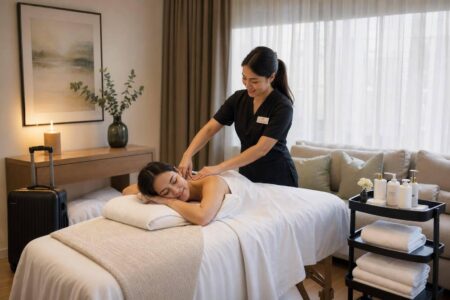
Additional recovery options like HydroMassage® lounge chairs offer heated water jet massages to ease muscle tension and improve circulation. Compression therapy tools, such as NormaTec boots, enhance blood flow, while massage rooms provide space for professional treatments. Emerging technologies like red light therapy further enrich the experience by aiding in skin rejuvenation and muscle recovery.
Balancing Technology and Luxury Aesthetics
Incorporating technology seamlessly into the design is essential for maintaining a luxurious feel. Smart fitness technology should be discreet and intuitive, ensuring it enhances the experience rather than detracting from it.
Hidden display systems offer a sleek solution for integrating screens and monitors. For example, Flatlift TV Lift Systems can conceal TVs within floors, walls, or ceilings, allowing them to appear only when needed. Similarly, smart TVs with AI motion recognition can stream workout content and monitor health metrics without adding visible hardware.
Audio systems should focus on in-wall or hidden speakers that deliver premium sound without disrupting the design. Lighting automation, using low-voltage, human-centric fixtures, can adapt to different activities, while motorized shades optimize natural light and protect equipment from sun damage. Smart thermostats and home automation systems ensure precise climate control without the need for bulky controls.
When selecting equipment, prioritize pieces that align with the overall aesthetic. Wall-mounted or compact smart gym systems, along with portable equipment that can be stored when not in use, help maintain a clean and uncluttered appearance. The goal is to make technology feel seamless and easy to use, with intuitive controls for lighting, temperature, and entertainment accessible via simple interfaces or voice commands. This thoughtful integration ensures guests can focus on their workouts while enjoying a polished, high-end experience.
sbb-itb-161ccc1
Personalized Fitness and Concierge Services
Today’s luxury guests expect experiences that feel tailor-made for them. Personalized fitness programs transform the usual gym setup into a full-fledged wellness hub, offering workout plans that align with each guest’s goals, fitness levels, and health data. This blend of technology and top-notch service creates a wellness experience that feels both exclusive and effective.
Using Wearables for Tailored Workouts
Wearable fitness tech has changed the game by providing real-time insights into movement and performance. In 2022, the global wearable tech market hit a value of $62 billion, with 74% of users believing these devices improve connectivity with other gadgets. AI-powered algorithms analyze biometric data to fine-tune workouts. For instance, if recovery metrics suggest a need for rest, the system might recommend yoga or light stretching. On the other hand, when heart rate variability signals peak readiness, high-intensity interval training could be suggested.
Brands like Orangetheory Fitness are already integrating heart rate monitors into their classes for live tracking and coaching, while the Future app pairs wearables with real-time coaching to create personalized training plans. Beyond workouts, wearables can sync with tools like hydration or glucose monitors, offering a holistic health approach by combining fitness data with meal suggestions and other wellness metrics.
Premium Concierge Services for Wellness
Technology may set the foundation, but personalized service is what elevates the experience to luxury. Premium concierge services seamlessly complement smart fitness tech, ensuring every guest feels supported in their wellness journey. For example, Essentialyfe offers bespoke wellness services that enhance fitness programs. These services might include arranging private yoga or workout sessions, scheduling one-on-one consultations with nutritionists, or organizing tailored workshops that combine physical activity with mindfulness or personal growth. By integrating lifestyle management with fitness, these services turn a simple workout into a fully curated wellness experience.
Data Privacy and Security Considerations
Protecting guest data is non-negotiable. Fitness trackers collect sensitive health information – data that users might not want shared without their consent. As Michelle De Mooy from the Center for Democracy & Technology explains:
"Health data is more vulnerable in general as a data set than financial data because you can’t replace it like you can a credit card"
A Federal Trade Commission study found that 12 mobile health apps and devices shared information with 76 third parties, with some data even traceable back to individual users. Dan Demeter, a security expert at Kaspersky Lab, highlights the importance of making it harder for bad actors to access this information:
"If somebody tries to profit from our personal information, we just make their lives harder so it’s not that easy to hack us"
To maintain guest trust, properties must implement robust privacy measures. These include encrypting data, enabling two-factor authentication, and guiding guests on adjusting tracker settings – like turning off unnecessary location tracking. FTC Chair Edith Ramirez emphasizes the importance of giving users control:
"In my mind, the question is not whether consumers should be given a say over unexpected uses of their data; rather, the question is how to provide simplified notice and choice"
Clear privacy policies, explicit user consent, and collecting only essential data are key steps. Additionally, properties should ensure secure network connections (e.g., encrypted Wi-Fi or Bluetooth), regularly update software to fix vulnerabilities, and establish clear policies on data ownership. With the global fitness app market valued at $9.25 billion in 2023 and projected to grow by 14.08% annually, prioritizing data security isn’t just a necessity – it’s vital for maintaining guest confidence and ensuring long-term success.
Current Trends and Best Practices in Luxury Fitness
The luxury rental market is shifting, with modern travelers expecting fitness solutions that cater to their wellness-focused lifestyles. To meet these expectations, it’s essential to create spaces that combine innovation with timeless appeal, ensuring they resonate with today’s discerning guests.
Immersive and Hybrid Fitness Experiences
High-end travelers are seeking wellness experiences that blend cutting-edge technology with natural elements. Think forest bathing, sound therapy rooms, and immersive art installations – these are becoming staples at luxury properties. The hybrid approach, which merges digital convenience with in-person engagement, adds flexibility and a touch of exclusivity. For example, work-wellness retreats now seamlessly integrate productivity with relaxation.
A standout example of this trend is Fit Social, a beachfront wellness day club in San Diego launched in March 2025 by Fit Athletic Club in partnership with Belmont Park and Pacifica Enterprises. This venue combines wellness, coworking, and social experiences in a stunning oceanfront setting. Guests can enjoy cold plunges, saunas, hot tubs, shaded outdoor workspaces, high-speed Wi-Fi, private meeting areas, and expert-led programs. Scott Lutwak, Founder & CEO of Fit Athletic Club, explains:
"Wellness should feel natural, effortless, and part of daily life. People are moving away from isolation – we crave connection, balance, and spaces that support both. Society is shifting toward a more holistic approach to wellness, but the places to support that shift don’t exist – until now. Fit Social is that space, designed for the way we live today and where we’re headed next."
This blend of innovation and connection sets the tone for future luxury fitness spaces.
Eco-Friendly Fitness Amenities
Sustainability is no longer optional in luxury fitness – it’s a priority. Guests are increasingly drawn to properties that align with their environmental values, and green fitness amenities enhance the overall wellness experience. Equipment choices are a great starting point. For instance, Ecore flooring, made with up to 87% post-consumer recycled materials like repurposed truck tires, uses 40% less energy during production, reducing its environmental impact while maintaining durability. Similarly, SportsArt’s ECO-DRIVE™ treadmill motor consumes 32% less power than traditional models, proving that efficiency and performance can coexist.
Sustainability extends beyond equipment. Yoga mats crafted from cork, organic cotton, or hemp offer eco-friendly luxury, while reclaimed rubber, bamboo, or cork flooring delivers both style and environmental benefits. Energy-generating fitness machines take it a step further by producing power during use. Complementing these features with plant-based cleaning products and low-VOC maintenance supplies creates a truly green fitness environment. A notable example is WaterRower Scandinavia’s European Sustainability Project, launched in 2022, which showcases how premium brands can combine luxury design with environmental responsibility.
Community and Social Fitness Spaces
While technology and sustainability are important, luxury fitness also thrives on fostering genuine human connections. Today’s travelers, especially after periods of remote work and social distancing, value spaces that encourage interaction while offering privacy when needed.
Group activities that appeal to a wide audience work particularly well. Pickleball, for instance, has become a favorite across all age groups. Other activities like tennis, golf, guided walks, and bike rides provide opportunities for guests to engage without requiring intense fitness levels. In 2022, Optima, Inc. introduced community-focused programming at its properties in Chicago and Scottsdale, Arizona. This included basketball and golf tournaments, as well as pickleball courts, fostering meaningful connections among residents.
The World Economic Forum underscores the importance of social connection for overall wellness:
"Feeling well connected to other people promotes positive mental health, physical health and gives life meaning."
Scheduled group activities – like hikes, bike rides, or walks – help guests form natural connections. Partnering with NASM-certified trainers to host classes like Zumba, Barre, Yoga, or Pilates further enriches the experience. Events such as healthy cooking demos, nutrition talks, or seasonal fitness challenges can transform fitness spaces into vibrant community hubs. Flexible design is crucial here – spaces that adapt easily for individual or group use, with features like movable equipment or retractable walls, create a welcoming atmosphere. Adding simple touches like healthy snack stations or water refill areas encourages casual social interactions among guests.
Conclusion: Improving Luxury Rentals with Smart Fitness
Incorporating smart fitness technology into luxury rental properties isn’t just a trend; it’s quickly becoming a necessity for staying competitive and meeting modern guest expectations. Consider this: 83% of residents with access to property-provided smart devices report higher satisfaction compared to just 66% without them. This satisfaction translates into measurable benefits, including a 5% increase in rental value and an 8% boost in overall resident happiness.
Wellness tourism is growing at an impressive 30% annually, with guests willing to pay premium rates for properties that prioritize health and wellness. Hotels offering robust wellness programs see a 15% higher Average Daily Rate (ADR), and guests spend 50–100% more on wellness-focused stays compared to traditional accommodations. Properties equipped with fitness technology also enjoy a 20% increase in repeat bookings, making it clear that these amenities foster guest loyalty.
For brands like Essentialyfe, integrating smart fitness solutions aligns seamlessly with their dedication to delivering exceptional guest experiences. These technologies complement other high-end services, such as private chefs and in-home massages, elevating the overall appeal of their properties.
To start, focus on the basics: install smart thermostats for optimal workout conditions, ensure high-speed internet to support fitness content and streaming, and add smart speakers in key areas to enable features like virtual classes and wearable device integrations. These foundational upgrades set the stage for personalized wellness programs that cater to individual guest needs.
The demand is undeniable. A staggering 78% of fitness travelers actively seek out health-focused accommodations, and 48% say gym availability directly influences how long they stay. Additionally, with 78% of global travelers preferring sustainable properties and 61% willing to pay 1% to 10% more monthly for features like smart access control and enhanced security, investing in smart fitness technology addresses multiple guest priorities at once.
FAQs
How can luxury rental properties use smart fitness technology to enhance guest experiences and attract more bookings?
Luxury rental properties have the potential to enhance guest experiences and draw in more bookings by incorporating smart fitness technology. Think connected gym equipment, fitness apps, and wearable devices that let guests personalize and monitor their workouts effortlessly. These modern touches appeal to health-conscious travelers, making their stay feel tailored to their wellness goals.
To make everything run smoothly, you can integrate these smart fitness tools with your property management system. This setup can automate operations, provide real-time updates, and make life easier for both guests and property managers. Focusing on wellness and convenience not only helps luxury rentals stand out in a crowded market but also ensures guests feel they’re getting an exceptional stay.
How can property managers ensure data privacy and security when using wearable fitness technology in luxury rentals?
When incorporating wearable fitness technology into luxury rentals, it’s crucial to prioritize guest privacy. Start by limiting data collection to only what’s necessary for the device to function effectively. Avoid enabling features that might unintentionally expose personal information, and ensure that any data sharing is done with the guest’s explicit consent.
On top of that, put strong security measures in place. Use data encryption, secure storage solutions, and maintain a transparent privacy policy that explains how guest data is handled and protected. Conduct regular system audits to uncover potential weaknesses, and stay up to date with data protection laws to build trust and keep sensitive information secure.
What are the key design principles for creating luxury fitness spaces that prioritize wellness in high-end rentals?
To craft luxury fitness spaces that cater to wellness and attract high-end clients, it’s essential to focus on creating an environment that feels both serene and sophisticated. Start by incorporating natural elements such as wood or stone accents, paired with soft, adjustable lighting to set a calming tone. Opt for open, uncluttered layouts that encourage relaxation and a sense of exclusivity.
Choose high-quality materials and refined design elements to give the space a polished, upscale look, while ensuring the layout remains practical and supports effortless movement. Enhance the experience by including spa-inspired amenities like saunas, massage rooms, or relaxation areas alongside state-of-the-art fitness equipment. Small but impactful touches – like plenty of natural light, effective temperature control, and a cohesive design – can significantly boost the overall experience for your discerning clientele.